
Blog,Research,Research Papers
Is better yard management the key to stronger supply chains?
Supply chains are the lifeblood of modern business, ensuring goods move efficiently from suppliers to manufacturers, distributors, and ultimately, to consumers. Yet, in an increasingly complex global economy, one critical element often goes unnoticed in the discussions about supply chain optimization: yard management.
Yard management may seem like a small part of the bigger logistics picture, but in reality, it’s a crucial factor in the overall performance of your supply chain. Efficient yard management not only ensures the smooth operation of your warehouses and distribution centers but also plays a significant role in reducing costs, improving service levels, and driving profitability.
But the question remains: Can better yard management be the key to a stronger, more resilient supply chain? Let’s explore this further and understand how optimizing your yard operations can lead to a more effective supply chain.
What is Yard Management?
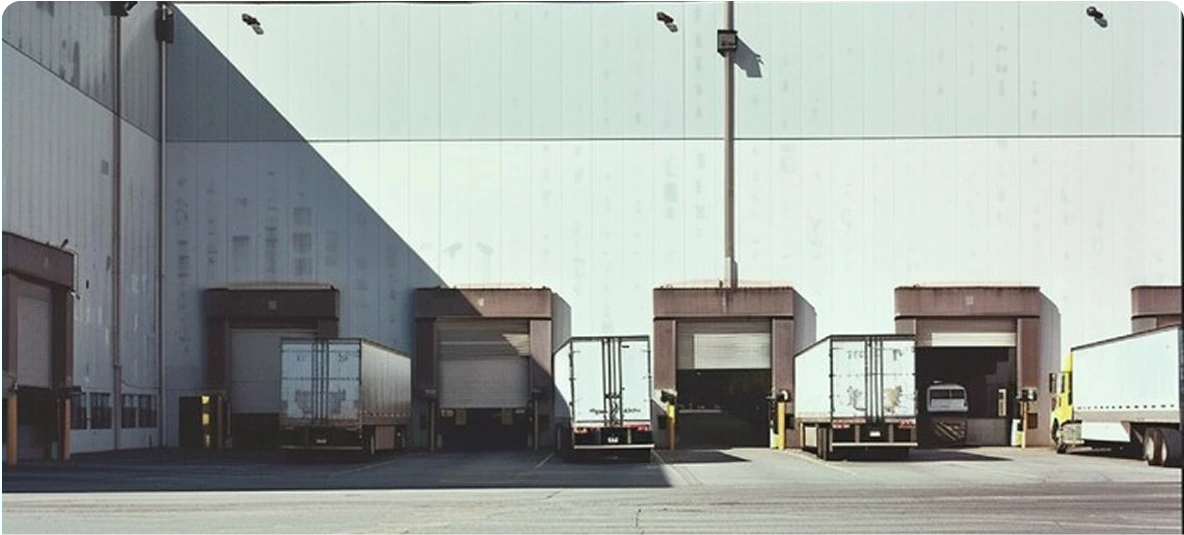
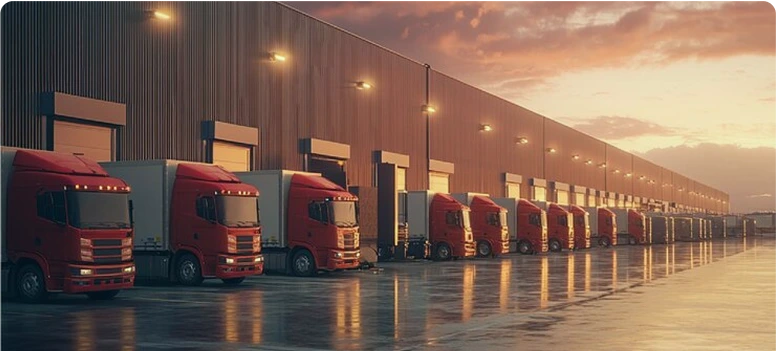
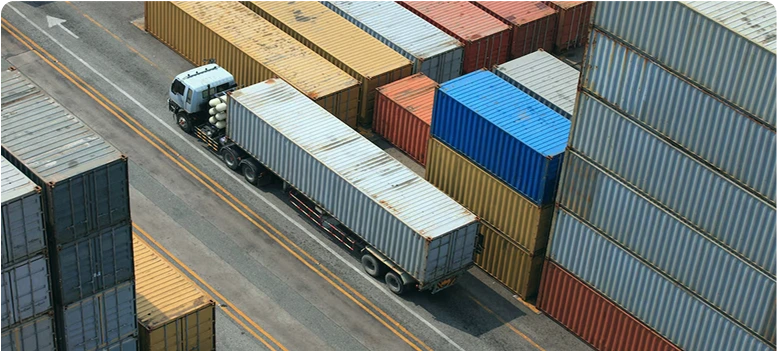
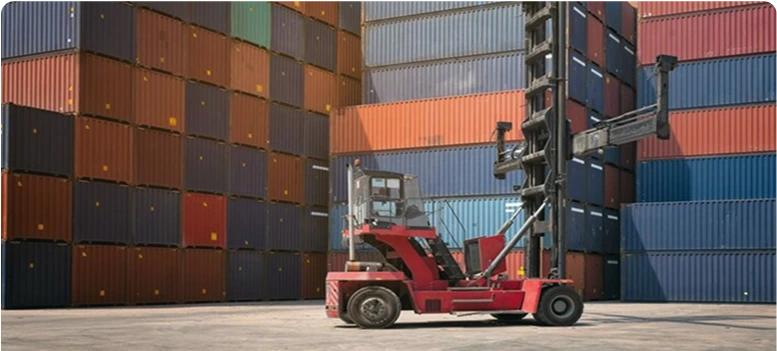
Before diving into the benefits, it’s essential to define what yard management is. Yard management involves overseeing and controlling the movement of trailers, trucks, and containers within a yard, typically located near warehouses or distribution centers. It includes managing the loading and unloading processes, ensuring vehicles are efficiently docked, and tracking the movement of goods within the yard.
Effective yard management is key to maintaining smooth operations in facilities that handle large volumes of shipments. Yard management systems (YMS) are used to optimize these operations by automating processes, providing real-time visibility into yard activity, and improving overall efficiency.
Why Yard Management is Critical to Supply Chains
Many supply chain professionals overlook yard management as a relatively minor part of the logistics process. However, inefficient yard operations can cause a ripple effect that impacts the entire supply chain. Let’s break down why good yard management is a critical piece of the puzzle.
1. Reducing Delays and Bottlenecks
Yard management is often the first point where delays can occur in a supply chain. If trucks and trailers are not efficiently managed, congestion in the yard can cause waiting times that delay shipments and create bottlenecks in other areas of the warehouse. A well-organized yard management system ensures that trucks are efficiently assigned to docks, trailers are unloaded and loaded promptly, and any delays are minimized.
By optimizing yard operations and streamlining dock scheduling, companies can significantly reduce delays and ensure that the entire supply chain runs smoothly. This reduces lead times and helps keep shipments on schedule, which is critical for meeting customer expectations.
2. Improving Inventory Management
Effective yard management is closely tied to accurate inventory management. If goods are sitting in the yard for too long, it can lead to confusion over stock levels, misplacement of items, and difficulties in tracking inventory. Yard management ensures that products are efficiently staged and quickly moved to the warehouse or outbound trucks, preventing inventory from building up in the yard and improving overall accuracy.
By implementing a real-time yard management system, businesses can track goods as they enter and exit the yard, ensuring that inventory records are up-to-date. This creates a smoother transition from receiving to storage or shipping, reducing the risk of stockouts or overstocking.
3. Enhancing Operational Efficiency
A key factor that determines the efficiency of any supply chain is the smoothness of operations at each point in the logistics process. Yard management directly influences this by reducing unnecessary idle time for trucks and trailers, enabling faster processing of inbound and outbound goods.
With the help of automation and technology, yard management can eliminate manual processes like paperwork, manual data entry, and truck scheduling. Automated yard management systems help track vehicles, assign the correct resources, and provide real-time updates on the location of shipments, improving overall operational efficiency. When operations are more streamlined in the yard, it reduces the burden on warehouse staff, improves loading and unloading times, and ensures a more seamless flow of goods.
4. Optimizing Fleet and Resource Utilization
In the context of supply chain management, optimizing fleet utilization and resource allocation is crucial to improving both operational efficiency and cost-effectiveness. A poorly managed yard can lead to trucks and trailers being idled for long periods, wasting both time and money.
A good yard management system helps in maximizing the use of available resources by monitoring the location and movement of trucks and trailers. It enables fleet managers to allocate vehicles effectively, ensuring that no truck is left waiting longer than necessary. By reducing idle time and ensuring that vehicles are used efficiently, businesses can cut costs associated with excess fuel consumption and underutilized assets.
5. Enhancing Safety and Compliance
In addition to improving operational efficiency, better yard management plays a key role in enhancing safety and regulatory compliance. Yard operations are inherently risky, with heavy vehicles moving in confined spaces, so safety protocols must be followed closely to avoid accidents.
Effective yard management helps reduce the likelihood of accidents by ensuring trucks follow designated routes, providing clear signage, and maintaining proper safety procedures. It also helps businesses comply with various safety regulations, such as tracking the maintenance of vehicles, meeting environmental standards, and ensuring that the yard is in good condition.
The Role of Technology in Yard Management
While traditional methods of yard management relied on paper-based systems or manual tracking, the use of digital yard management systems (YMS) has revolutionized this aspect of logistics. YMS platforms are designed to optimize every stage of yard operations by providing visibility, automation, and real-time data to improve decision-making.
Key Technological Benefits:
- Real-Time Tracking: YMS allows businesses to track the movement of vehicles, trailers, and inventory within the yard in real-time, giving warehouse managers complete visibility over yard operations.
- Automated Scheduling: Automated scheduling tools ensure that trucks are assigned to the right docks at the right time, minimizing delays and improving the flow of goods.
- Integration with Other Systems: A YMS integrates seamlessly with other logistics platforms such as Warehouse Management Systems (WMS) and Transportation Management Systems (TMS), creating a cohesive supply chain ecosystem.
- Data Analytics: Modern YMS platforms offer analytics and reporting tools that allow businesses to track performance, identify inefficiencies, and optimize their operations based on data-driven insights.
Example:
Intelligate, a powerful YMS, provides features like real-time truck tracking, automated dock scheduling, and seamless integration with TMS and WMS, offering a comprehensive solution to streamline yard operations and improve overall supply chain efficiency.
Conclusion: Better Yard Management = Stronger Supply Chains
In conclusion, better yard management is not just a matter of optimizing operations at your warehouse or distribution center—it’s a crucial element in building a stronger, more resilient supply chain. By reducing delays, improving inventory accuracy, enhancing operational efficiency, and ensuring better resource utilization, yard management can directly impact your overall supply chain performance.
As supply chains become more complex and customer expectations grow, optimizing every element, including yard management, is vital for staying competitive. Investing in the right Yard Management System (YMS) will help you streamline your operations, improve visibility, and create a more efficient, cost-effective supply chain.
Intelligate provides a cutting-edge Yard Management System designed to optimize your yard operations, reduce bottlenecks, and improve overall efficiency. By leveraging Intelligate, you can ensure smoother and faster supply chain operations that lead to greater customer satisfaction and reduced costs.
Request a demo today and see how Intelligate can help you build a stronger, more efficient supply chain.