
Yard Management
What Is a Yard Management System — and Why Do You Need One?
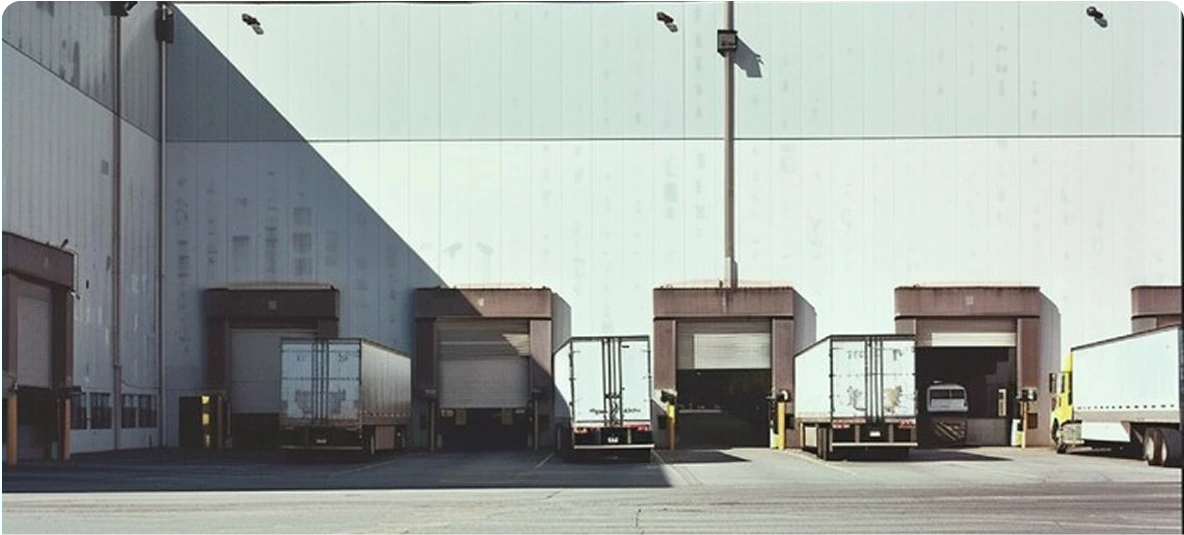
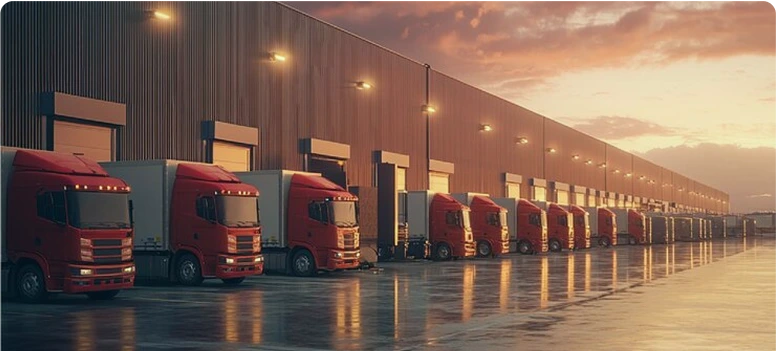
Most logistics leaders can tell you, to the minute, what is happening inside their four walls. Inventory is scanned, pickers are tracked, and dock doors are monitored. But ask them what is happening in the yard — the stretch of asphalt between the gate and the dock — and the answer is often a shrug, a clipboard, and a walkie-talkie.
That gap is expensive. The yard is where trucks wait, trailers go missing, drivers idle, and detention fees quietly pile up. A Yard Management System (YMS) closes that gap by giving you real-time visibility and control over everything that moves in your yard.
What a Yard Management System actually does
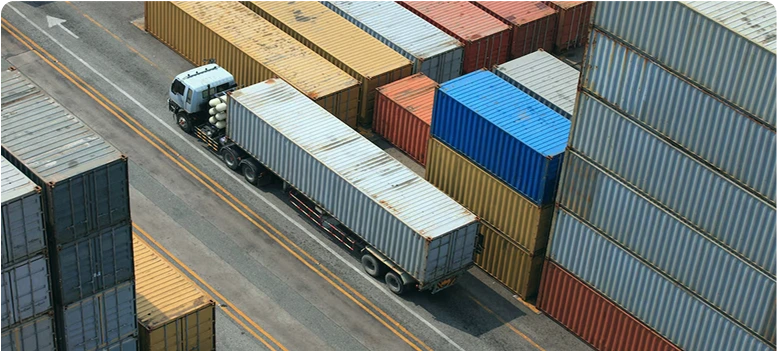
A YMS is software that manages the flow of trucks and trailers across a facility's yard — from the moment a vehicle arrives at the gate to the moment it leaves. At its core, it answers three questions that are surprisingly hard to answer without it:
- What is here? Every trailer, container, and chassis in the yard, what is inside it, and its status (loaded, empty, live, drop).
- Where is it? The exact dock door, parking spot, or staging lane — no more sending a yard jockey to "go find trailer 4471."
- What happens next? The sequence of moves, dock assignments, and appointments that keep freight flowing instead of stacking up.
Modern systems tie these together with gate automation, dock scheduling / appointments, driver check-in, real-time trailer location, and task management for yard drivers (spotters). The good ones expose this through portals and mobile apps so drivers, carriers, and your own team all work from the same live picture.
Why you need one: the cost of a "blind" yard
If you are running the yard on spreadsheets, radios, and tribal knowledge, you are paying for it in ways that rarely show up cleanly on a P&L:
1. Detention and demurrage fees
When you cannot tell a carrier exactly when their trailer was unloaded, you lose every detention dispute. A YMS timestamps each event — arrival, gate-in, dock-in, dock-out, gate-out — giving you the audit trail to push back on unfair charges and to stop racking up your own.
2. Wasted labor and idle assets
Yard jockeys spend a shocking amount of their shift simply hunting for the right trailer. Multiply a few wasted minutes per move across hundreds of moves a day and you have an entire shift's worth of labor evaporating into the asphalt. Meanwhile, "lost" trailers sit idle when they could be turning.
3. Dock congestion and bottlenecks
Without appointment scheduling and dock visibility, trucks arrive in clumps. Doors sit empty one hour and overwhelmed the next. A YMS smooths arrivals, matches trailers to the right doors, and keeps the dock — your most expensive real estate — productive.
4. Driver dwell time
Long gate lines and confused check-ins frustrate drivers and damage carrier relationships. Self-service check-in and clear instructions get drivers in, unloaded, and out — which is increasingly a competitive factor in attracting capacity.
5. No data, no improvement
You cannot improve what you cannot measure. A YMS turns yard activity into data: average dwell time, gate-to-dock time, trailer turns, carrier performance. That is the foundation for genuinely optimizing operations instead of guessing.
The payoff
Facilities that put a YMS in place typically see shorter trailer dwell times, fewer detention charges, higher dock-door utilization, and far less time spent locating equipment. Just as importantly, they trade a reactive, radio-driven scramble for a calm, planned operation where every move is visible and accountable.
The yard stops being a black box. It becomes a managed, measurable part of your supply chain.
Do you actually need one?
You almost certainly do if any of these sound familiar:
- Drivers or carriers regularly call asking "where is my trailer?"
- You lose more detention disputes than you win.
- Yard jockeys spend real time searching for equipment.
- Dock doors swing between idle and overwhelmed.
- You have no reliable timestamp for when a truck arrived, docked, or left.
The bigger and busier the yard, the faster a YMS pays for itself — but even mid-sized operations are often surprised by how much hidden cost it surfaces and removes.
The bottom line
Your warehouse and your transportation network are probably already digitized and optimized. The yard is the last unmanaged link between them — and the one quietly leaking time and money. A Yard Management System turns that blind spot into one of the most controlled, data-rich parts of your operation.
If your yard still runs on radios and clipboards, the question is no longer whether you need a YMS — it is how much the wait is costing you.